A rifle-drilled connecting rod is often seen as a high-performance upgrade. But the oil passage only works when the engine's oiling system feeds oil into it. This guide explains the complete oil path, what to check before assembly, and the critical difference between 2-stroke and 4-stroke lubrication.
The Complete Oil Path
Many people see an oil passage drilled into a connecting rod and assume it automatically improves lubrication. The reality is that the rod's oil passage is just the last link in a chain:
↓
Crankshaft Oil Feed / Crank Pin Oil Passage Key • Missing = oil can't enter
↓
Rod Bearing Oil Hole / Oil Groove Key • Missing = oil can't reach the rod
↓
Connecting Rod Internal Oil Passage
↓
Small End Oil Outlet / Pin Oil Hole Key • Missing = pin gets no oil
↓
Wrist Pin / Small End Bearing Lubrication
If any link in the chain has no opening, the oil stops halfway — the rod's oil passage becomes a "dead hole."
Public technical materials from performance connecting rod manufacturers support the same basic principle: an internal rod oil passage only works when the crankshaft and bearing are designed to feed oil into it. The key is not “more oil holes are always better.” The key is verified oil-path continuity.
Why This Principle Is Evidence-Based
This article does not treat a single oil hole as a universal upgrade. The reliable engineering question is whether the crankshaft oil passage, rod bearing oil hole or groove, internal rod passage, and small-end / wrist-pin outlet form one continuous lubrication path.
- High-performance wrist-pin and small-end lubrication can be achieved through different designs, including oil holes, oil grooves, pressure-fed passages, splash lubrication, or a combination of these depending on the engine application.
- For a pressure-fed rod oiling design, the crankshaft, bearing shell and rod passage must align. If one link is missing, the internal rod passage may not receive oil.
- Actual oil delivery is affected by oil pressure, oil temperature, bearing clearance, engine speed, hole position and component alignment. This is why pre-assembly inspection matters.
Pre-Assembly Inspection Checklist
5-Point Inspection Before Final Assembly
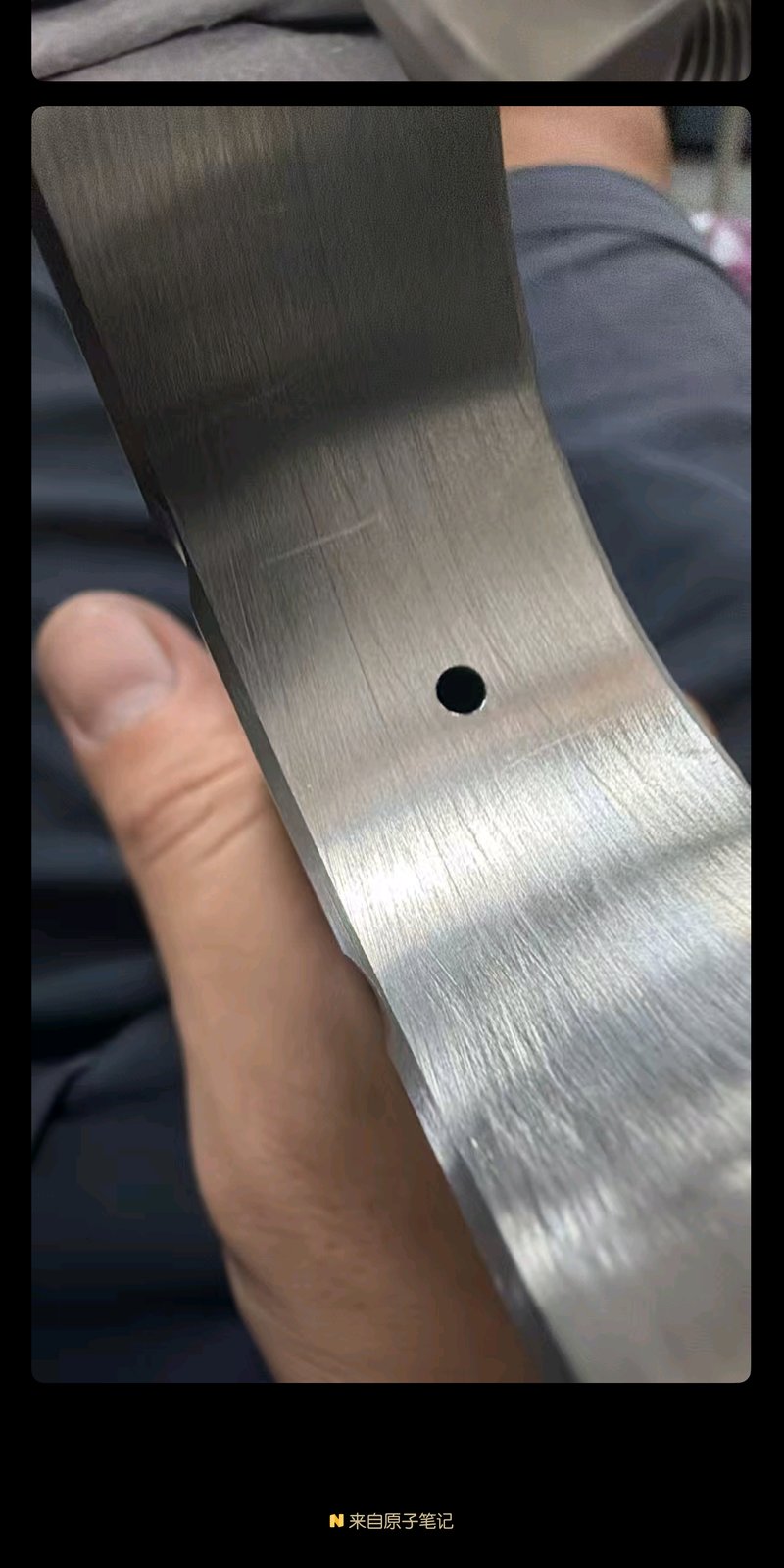
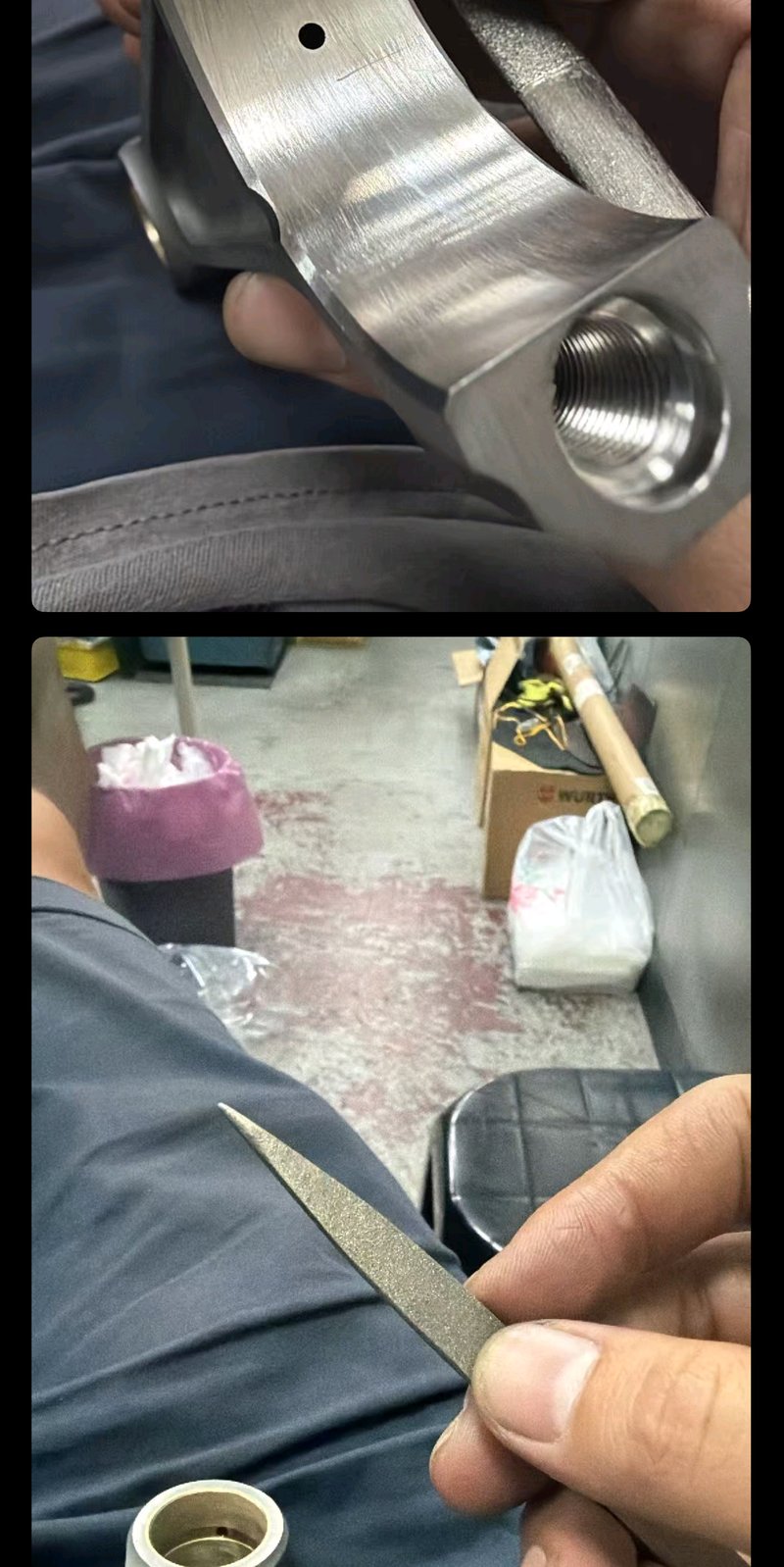
- Check if the oil passage is clear — confirm the internal passage is fully open, inspect the oil hole opening and the matching crankshaft / bearing feed position for any residual metal debris or minor machining burrs.
- If anomalies found, qualified personnel only — a qualified engine builder should handle any issues without changing the original oil hole dimensions or passage geometry.
- Do NOT enlarge or modify the oil hole — oil hole size and position affect lubrication flow, structural strength, and design intent.
- Thoroughly clean the oil passage — after any deburring, clean the passage thoroughly and blow out with compressed air to ensure no loose debris remains.
- Typical 2-stroke engines do not use this pressure-fed oil-path logic — most 2-stroke engines rely on pre-mix or splash lubrication rather than a 4-stroke-style pressurized crankshaft oil gallery. Special designs should still be checked separately.
4-Stroke vs 2-Stroke: Key Difference
| Engine Type | Lubrication Method | Deep Oil Hole Meaningful? |
|---|---|---|
| 4-stroke (crankshaft has oil gallery) | Pressurized lubrication | Yes |
| 4-stroke but crank/bearing has no matching oil feed | Pressurized system with missing links | No (potential dead hole) |
| Typical 2-stroke engines | Pre-mix / splash lubrication | Usually no |
If the crankshaft has no matching oil feed and the bearing has no corresponding oil hole or groove, the rifle-drilled rod may receive no oil through that passage. In that case, it is not a functional oiling upgrade — it is simply an unmatched feature.
Summary
The oil passage in a connecting rod is not a standalone feature. It is the final segment of the engine's complete oiling system. Before specifying a rifle-drilled rod, always verify:
- The crankshaft has a matching oil feed path
- The rod bearings have matching oil holes or grooves
- The small end / wrist pin area has an oil outlet
Before final assembly: inspect the oil passage, check for debris, clean thoroughly. Do not enlarge or modify the oil hole. If anything unusual is found, contact technical support before proceeding.
Always confirm the engine's lubrication system design before specifying a rifle-drilled rod.
FAQ
Do all 4-stroke connecting rods need rifle-drilled oil passages?
No. A rifle-drilled oil passage is only meaningful when the engine oiling system is designed to feed oil into the rod. The crankshaft oil feed, rod bearing oil hole or groove, rod internal passage and small-end outlet must be considered as one system.
What happens if the rod has a deep oil hole but the crankshaft or bearing does not feed it?
The internal oil passage may become a dead hole. It exists physically, but it does not function as an oil supply path unless oil can actually enter and exit through the designed route.
Why do typical 2-stroke engines usually not need this type of deep oil hole?
Most 2-stroke engines lubricate the crank and rod assembly through pre-mix or splash lubrication, not through a 4-stroke-style pressurized crankshaft oil gallery. Special racing or industrial designs should still be checked according to their own oiling layout.
Can the oil hole be enlarged during assembly?
Do not enlarge or modify the oil hole unless the change is specified by the engineering drawing or confirmed by the responsible engine builder. Oil hole size, edge condition and location can affect flow, strength and stress concentration.
Evidence Boundary
This article explains a general oil-path matching principle. It is not a universal installation specification for every engine, crankshaft, rod bearing or connecting rod SKU. Final assembly decisions should be based on the engine oiling design, drawing requirements, bearing oil-hole alignment and inspection by a qualified engine builder.
Before ordering or assembling a rifle-drilled connecting rod, confirm the engine type, crankshaft oiling layout, bearing shell oil-hole position, small-end / wrist-pin lubrication requirement and actual use case. If you are not sure, send the crankshaft and bearing information before final specification.