
When a connecting rod bolt fails, the first question should not be simply, “Which bolt is stronger?” A better investigation begins with the fracture location, the loading history and the complete manufacturing and installation process.
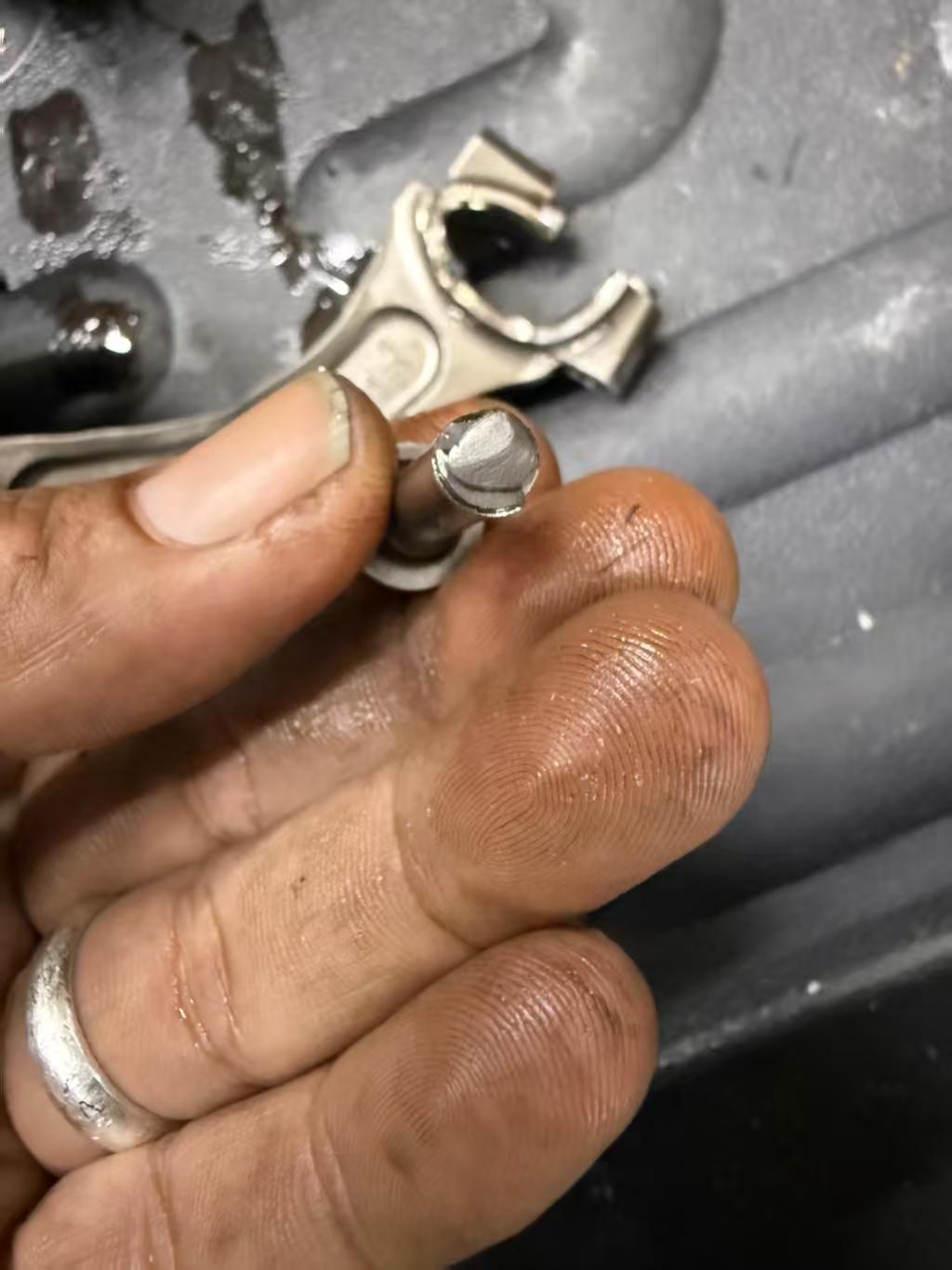
1. Why the Thread Start Matters
The beginning of a threaded section is a geometric transition. The load path changes as the smooth shank transitions into the threaded area, and the local stress distribution can become more complex.
Under repeated tensile loading, a small defect or an unfavourable stress concentration may become the starting point of a fatigue crack. This is why the thread start deserves particular attention during design, manufacturing and inspection.
2. A Stronger Material Is Not the Whole Solution
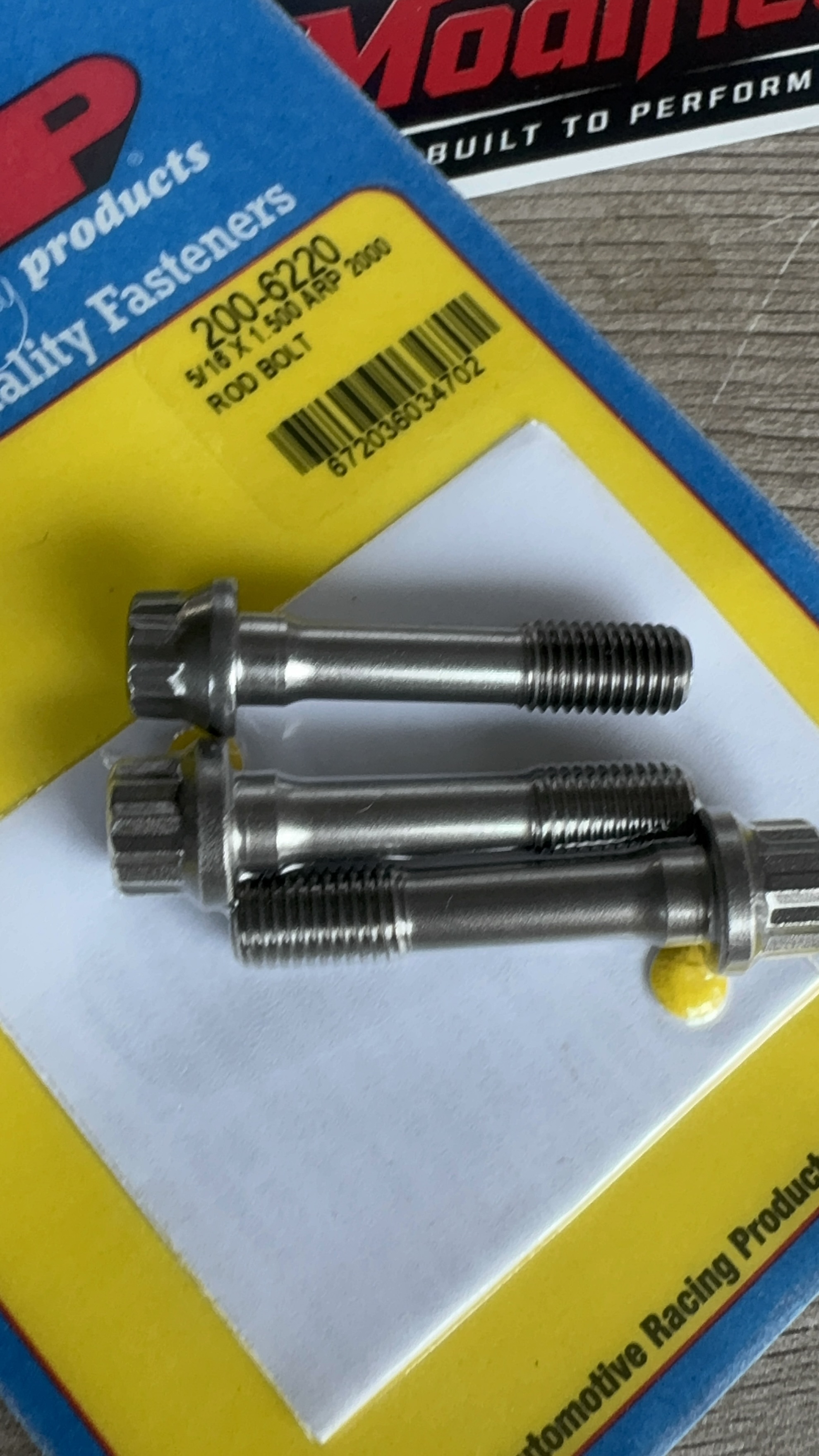
Two bolts may look similar while having different material grades, heat-treatment conditions, thread specifications and recommended installation procedures. Appearance alone cannot prove material performance.
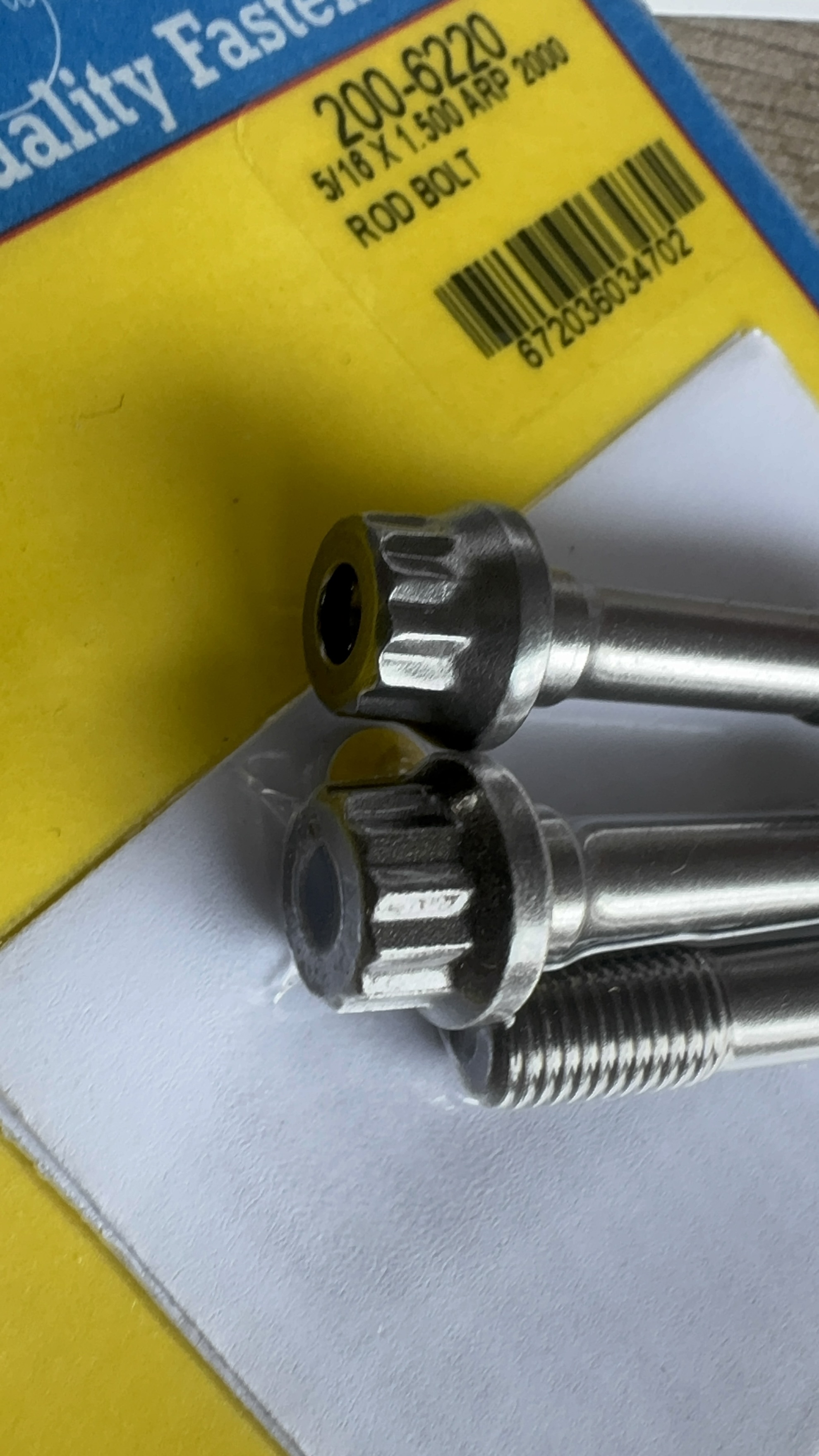
A meaningful evaluation should include:
- Material identification and batch traceability.
- Heat-treatment records and hardness verification.
- Thread geometry, root condition and manufacturing method.
- Inspection method and batch control.
- Correct torque, lubricant and preload procedure.
- Compatibility with the connecting rod and engine application.
3. What to Record After a Failure
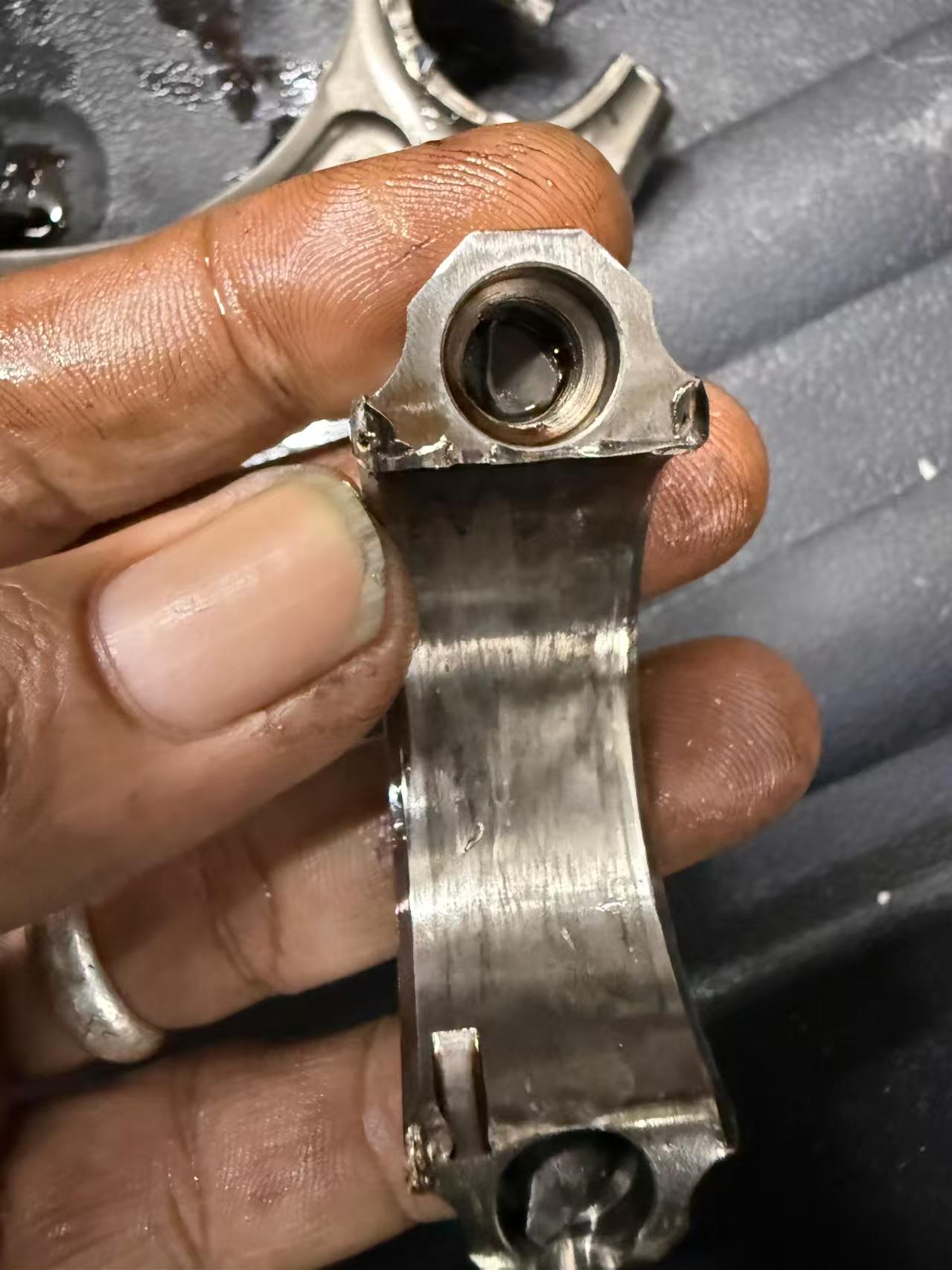
Before replacing parts or cleaning the engine, record:
- The exact fracture location and the fracture surface from multiple angles.
- The condition of the thread and thread runout.
- The condition of the connecting rod and bearing.
- The installation torque and lubricant used.
- The engine operating conditions.
- The batch number and whether other bolts show similar symptoms.
4. The Practical Takeaway
Reliable connecting rod bolt performance is a system result. It comes from suitable material, stable heat treatment, controlled thread manufacturing, inspection, correct preload and application-specific validation.